The Wellness Gap in Working Motherhood
Addressing the Unseen Health Challenges Through Inclusive Workplace Policy
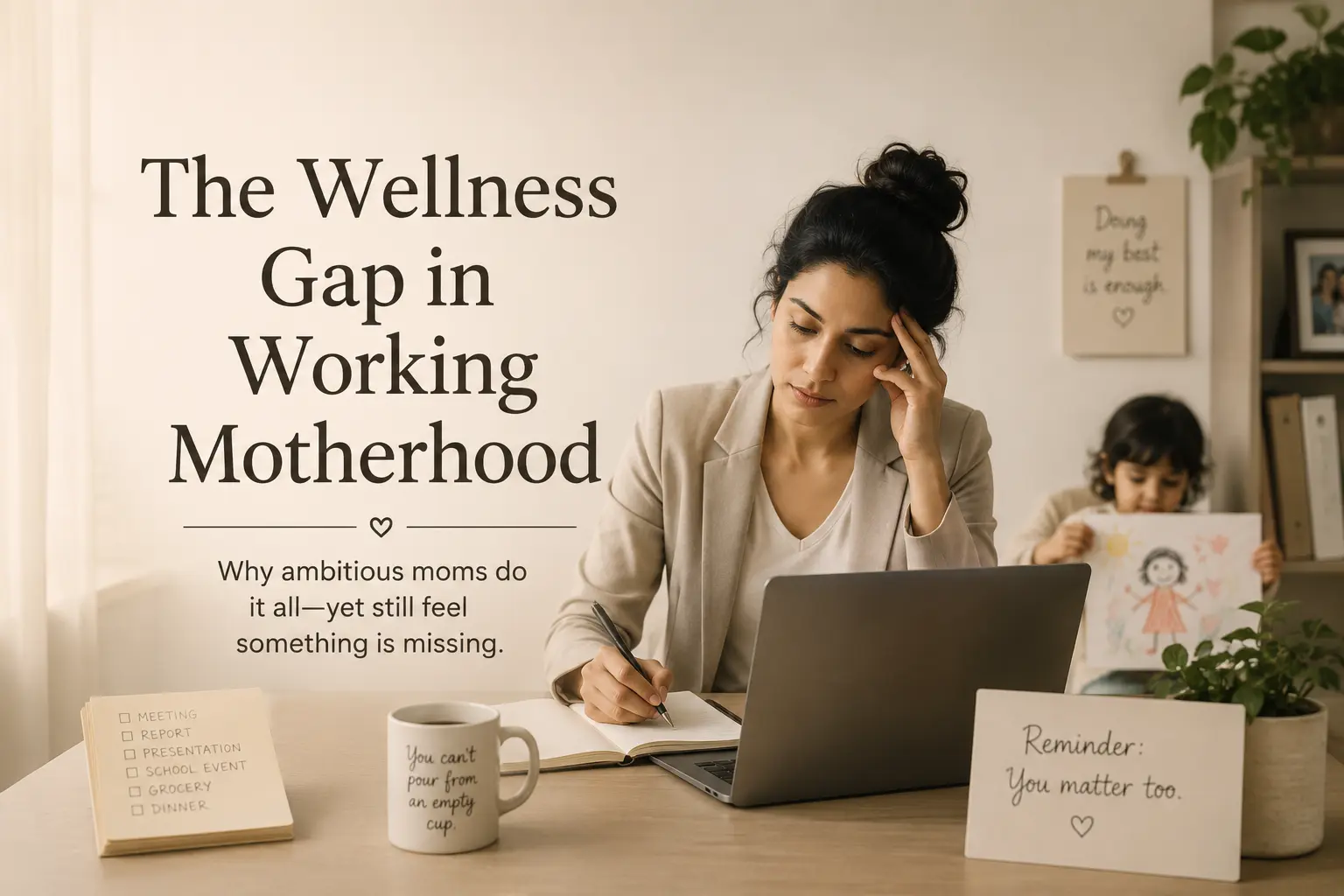
Motherhood is often described as one of the most rewarding phases of life. Yet for many working women, it also becomes one of the most physically and emotionally demanding experiences. Behind the daily routines of managing careers, children, homes, and personal responsibilities lies an often-overlooked reality the silent decline of maternal well-being. This growing imbalance reflects what can be called the “wellness gap” in working motherhood.
The wellness gap refers to the difference between the immense responsibilities placed on working mothers and the level of support available to protect their health and well-being. While women today are increasingly encouraged to pursue professional success, workplace structures and social systems have not evolved enough to support the realities of motherhood.
For many mothers, the journey begins with physical recovery after childbirth while simultaneously adapting to sleepless nights, childcare responsibilities, and emotional changes. Returning to work during this period can become overwhelming. Despite these challenges, many women feel pressured to quickly resume productivity, often hiding exhaustion, stress, or anxiety to avoid appearing “less committed” professionally.
One of the major concerns is that maternal wellness is frequently viewed only through the lens of maternity leave. In reality, a mother’s need for support extends far beyond those few months. The transition back into the workplace often brings feelings of guilt, emotional strain, and work-life imbalance. Many working mothers struggle to maintain professional expectations while also wanting to remain emotionally present for their children.
In several workplaces, there is still an unspoken assumption that motherhood reduces efficiency or ambition. Such perceptions can affect career growth, leadership opportunities, and workplace confidence. As a result, many women constantly attempt to “prove themselves,” even at the cost of their own health.
This issue is not simply personal; it is deeply connected to workplace culture and public policy. Organizations must recognize that supporting working mothers is not a special privilege but a necessary investment in employee well-being and long-term productivity. Policies such as flexible work arrangements, hybrid schedules, childcare assistance, wellness programs, mental health support, and phased return-to-work systems can significantly improve maternal health outcomes.
Equally important is the role of empathetic leadership. A workplace that encourages open communication and understands caregiving realities creates an environment where women feel respected rather than judged. Small changes in organizational culture can make a meaningful difference in reducing stress and improving emotional well-being.
Governments and institutions also have a responsibility to strengthen support systems for working mothers through improved healthcare access, parental leave policies, affordable childcare, and family-friendly employment practices. When maternal wellness is prioritized, the benefits extend beyond individual families to society as a whole.
Working mothers contribute immensely both at home and in the workplace. They develop resilience, adaptability, multitasking abilities, emotional intelligence, and leadership skills through everyday experiences. However, these strengths should not come at the cost of burnout or neglected health.
Conclusion
The wellness gap in working motherhood is a silent challenge that deserves greater attention in today’s professional world. Supporting mothers should not end with maternity leave or occasional workplace benefits. True progress lies in creating systems that allow women to grow professionally while maintaining their physical, emotional, and mental well-being.
A healthier workplace is one that understands that motherhood and ambition can coexist successfully. When organizations and societies create inclusive policies with empathy and understanding, working mothers are empowered not only to manage responsibilities but to truly thrive. Closing the wellness gap is therefore not just about supporting mothers it is about building healthier families, stronger workplaces, and a more balanced society for future generations.